| CLICK HERE FOR INDEX PAGE | |
| LEVERS | |
| V. Ryan © 2002 - 2023 | |
| PDF FILE - CLICK HERE FOR PRINTABLE WORKSHEET BASED ON EXERCISE BELOW. | |
| CLICK HERE FOR POWERPOINT VERSION OF WORKSHEET | |
 |
|
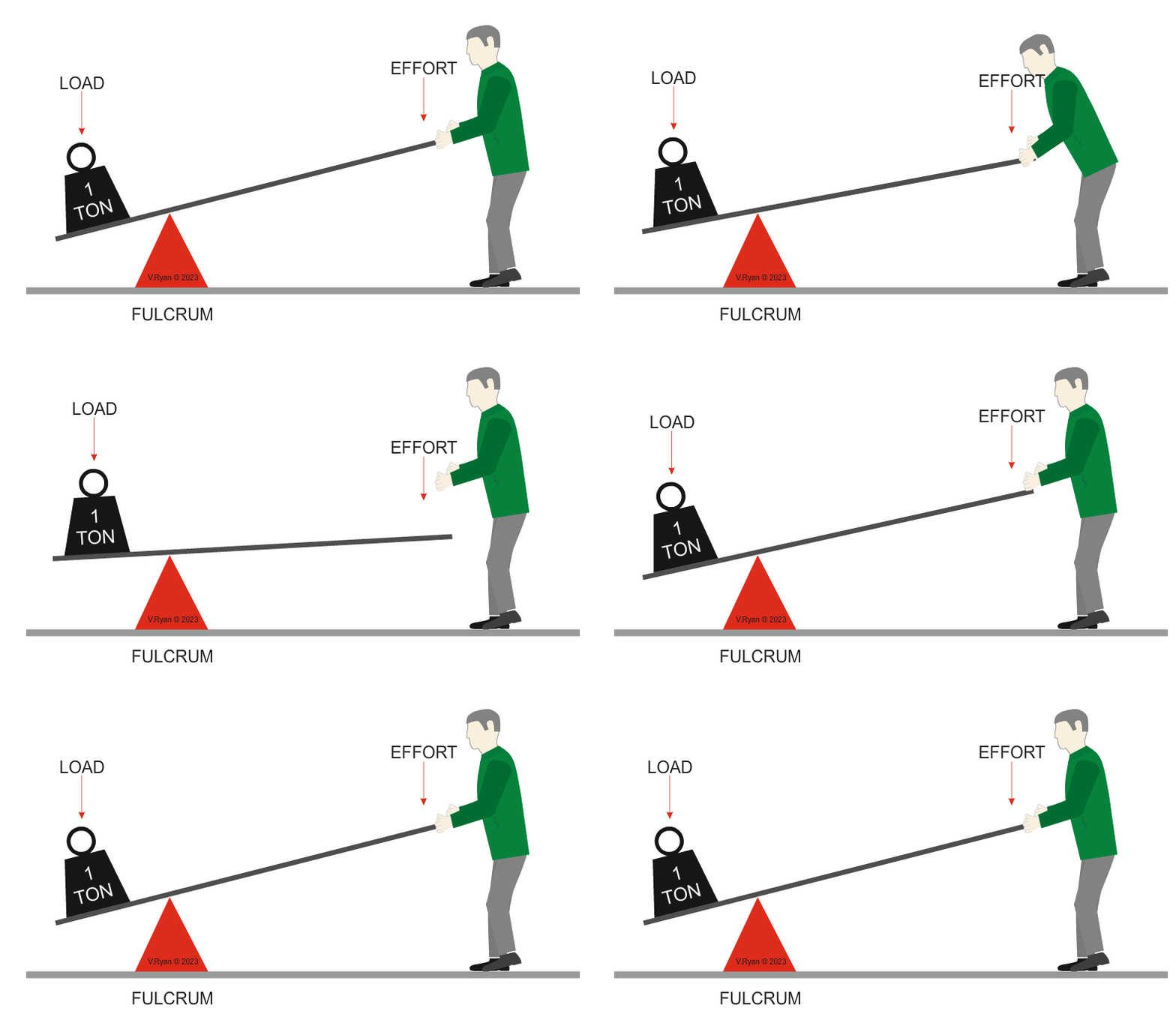
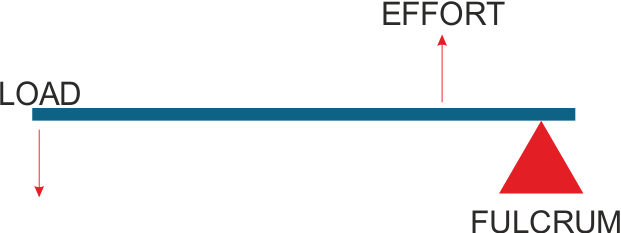
| Levers are used to lift heavy weights with the least amount of effort. In the example opposite, the heavy weight on the left hand side is been lifted by the person because of the lever. The longer the 'rod' the easier it is to lift the weight. Under normal circumstances the person would not be able to lift the weight at all. The fulcrum is the place where the rod pivots (or rotates). | |
 |
|
The load is the scientific name for the weight. The effort is quite simply the amount of effort used to push down on the rod in order to move the weight. |
|
|
|
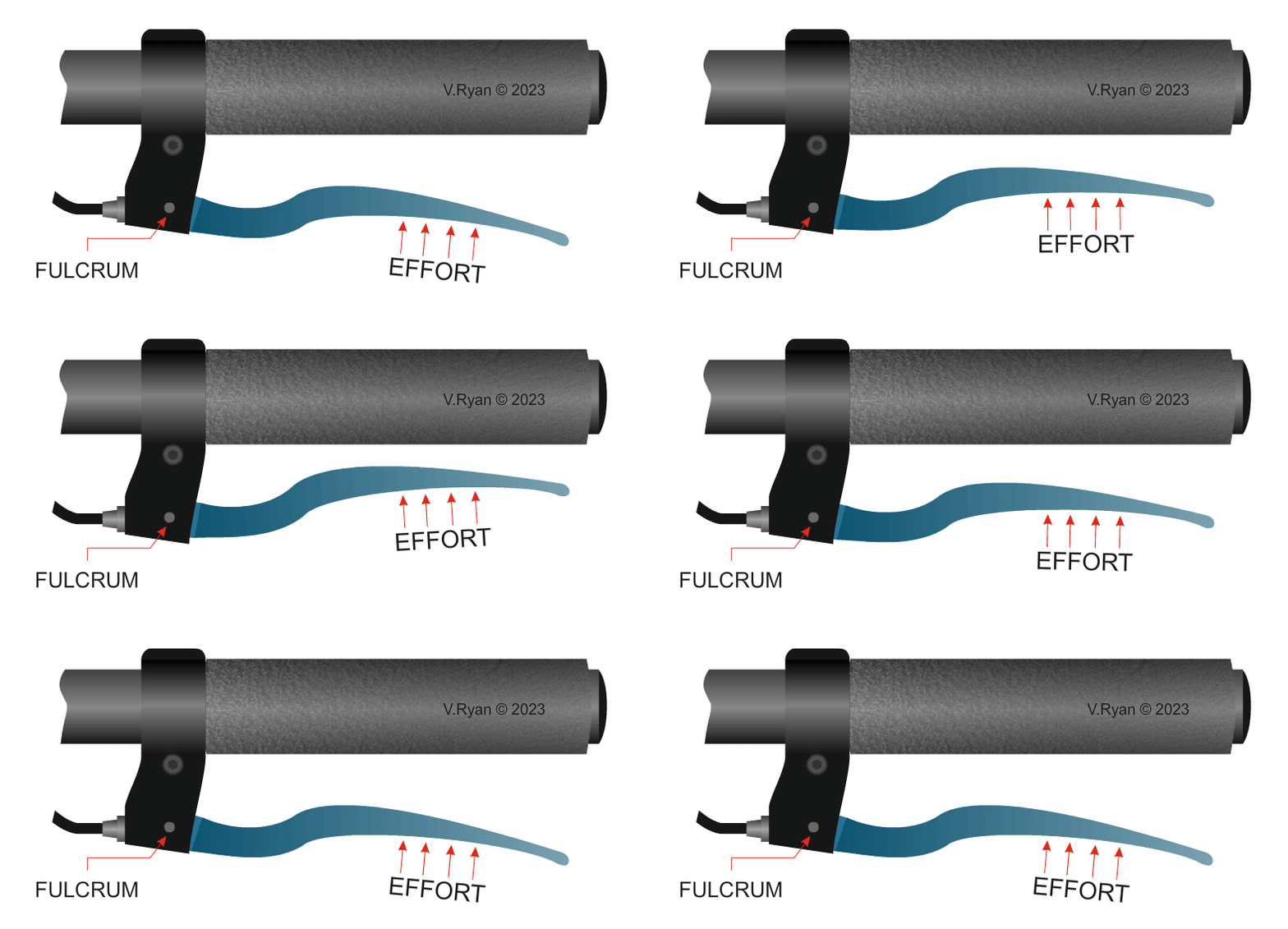
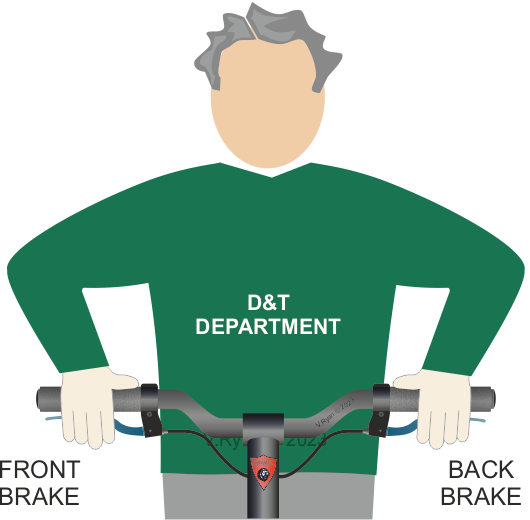
We use levers in every day life. Bicycle brakes work due to the fact that they are based on a lever. The diagram below shows the fulcrum and the effort. Another good example of a lever is a simple door handle or a wheel barrow. |
|
| PRACTICAL APPLICATION - A BRAKE LEVER | |
 |
|
 |
|
|
|
| Draw three examples of
levers that are used in everyday life. There are three classes of lever and each class has fulcrum, load and effort which together can move a heavy weight. |
|
| THREE CLASSES OF LEVER | |
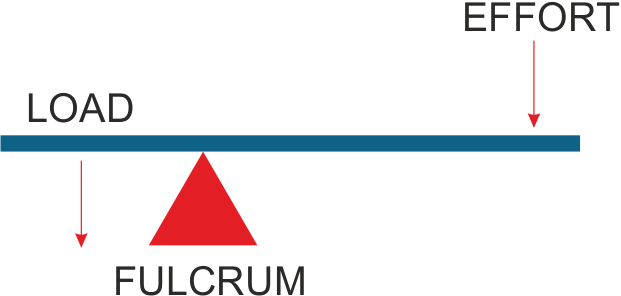
| CLASS ONE LEVER | |
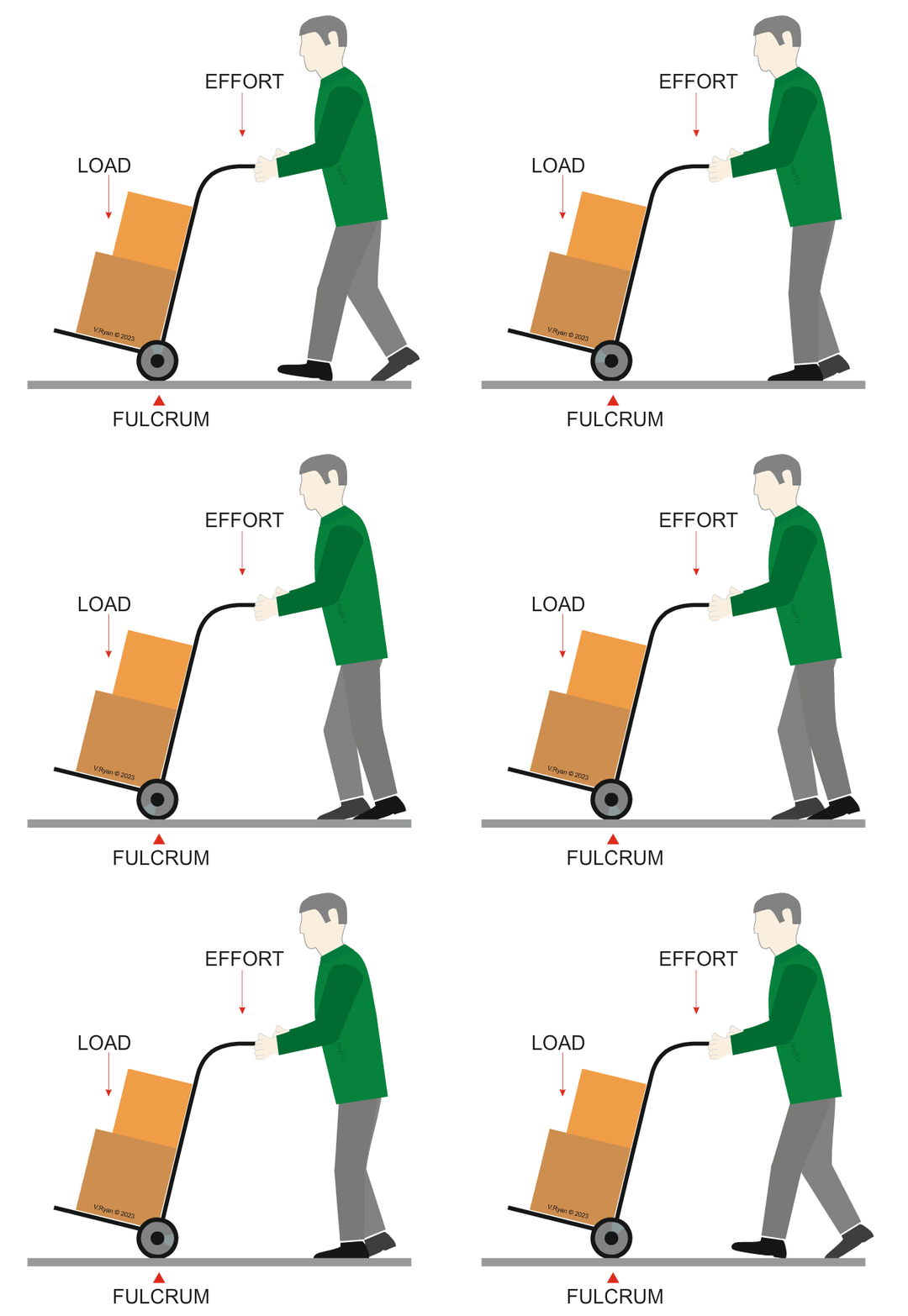
| The person uses a trolley to move heavy packaging cases. The fulcrum is the wheel. | |
 |
|
 |
|
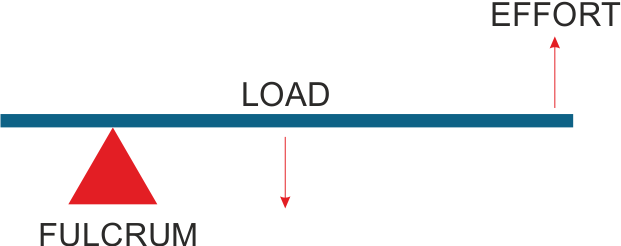
| CLASS TWO LEVER | |
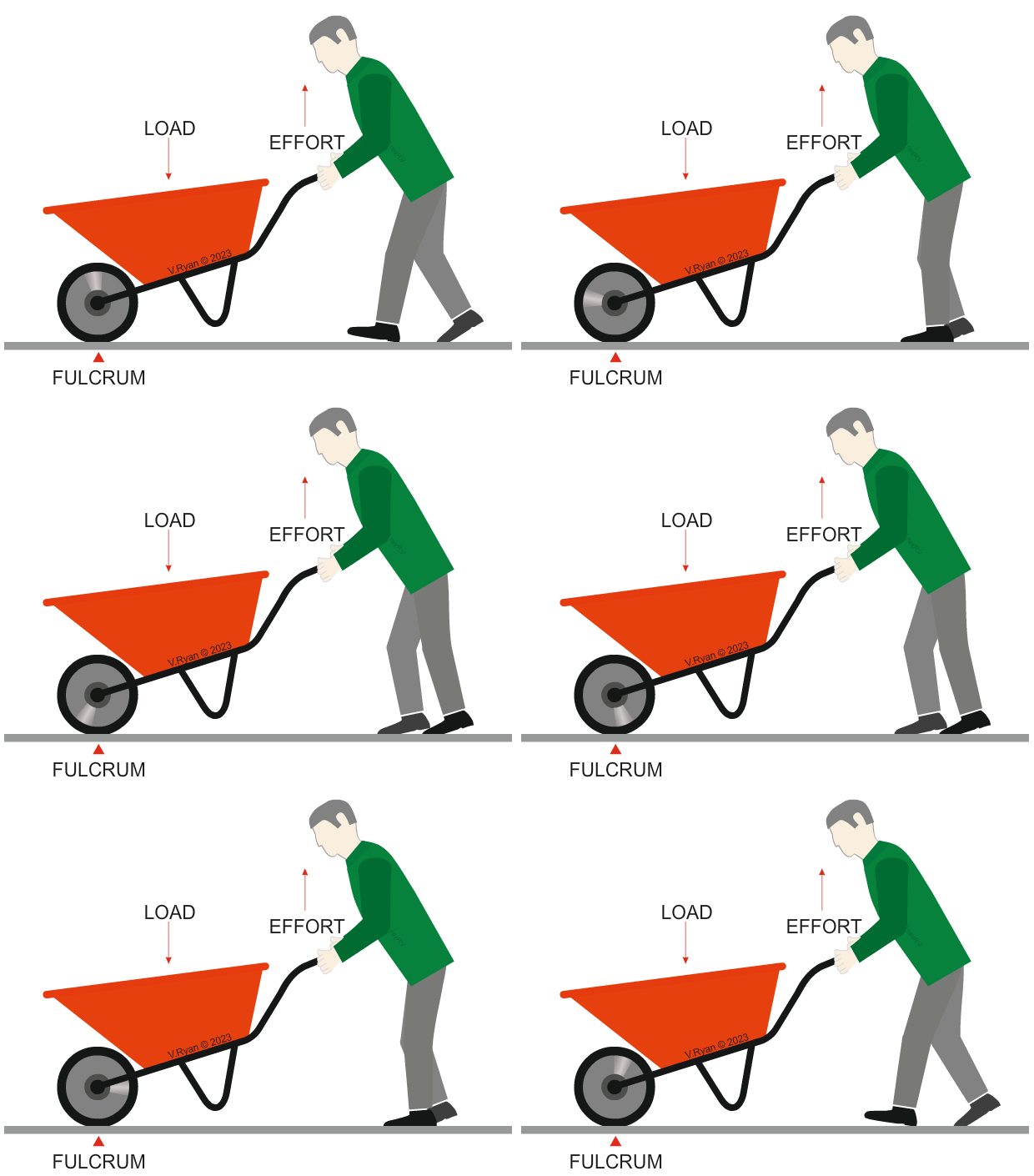
| The gardener uses a wheel barrow to lift tools and garden waste. The load is in the centre of the barrow | |
 |
|
 |
|
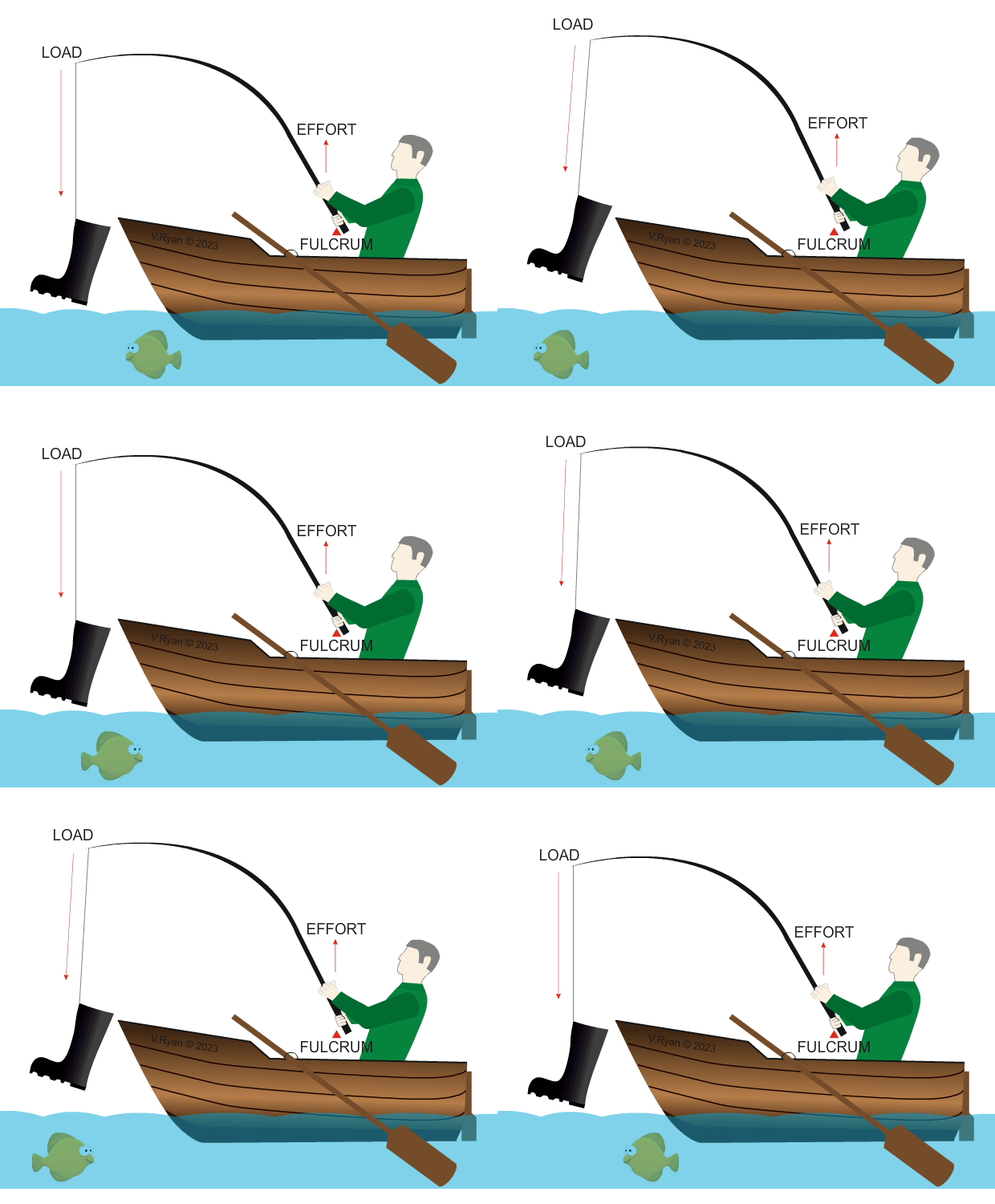
| CLASS THREE LEVER | |
| The person fishing catches the ‘fish’ which becomes the load at the end of the lever. | |
 |
|
 |
|
| Draw your own examples of the three classes of lever. Think in terms of examples that you have used at home, work or school. | |